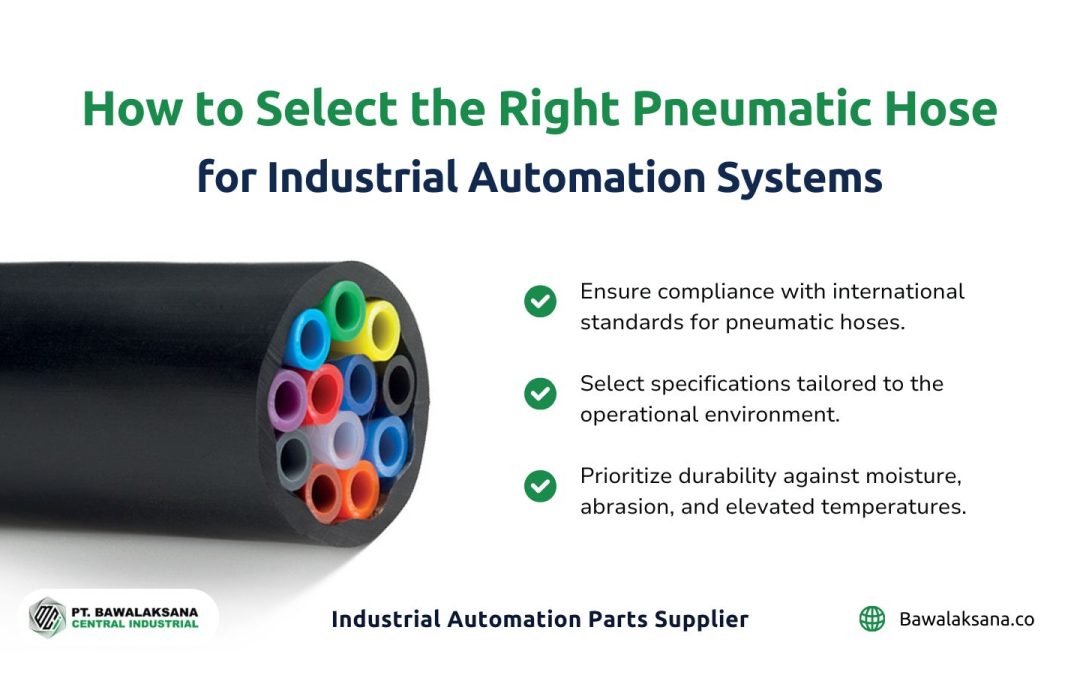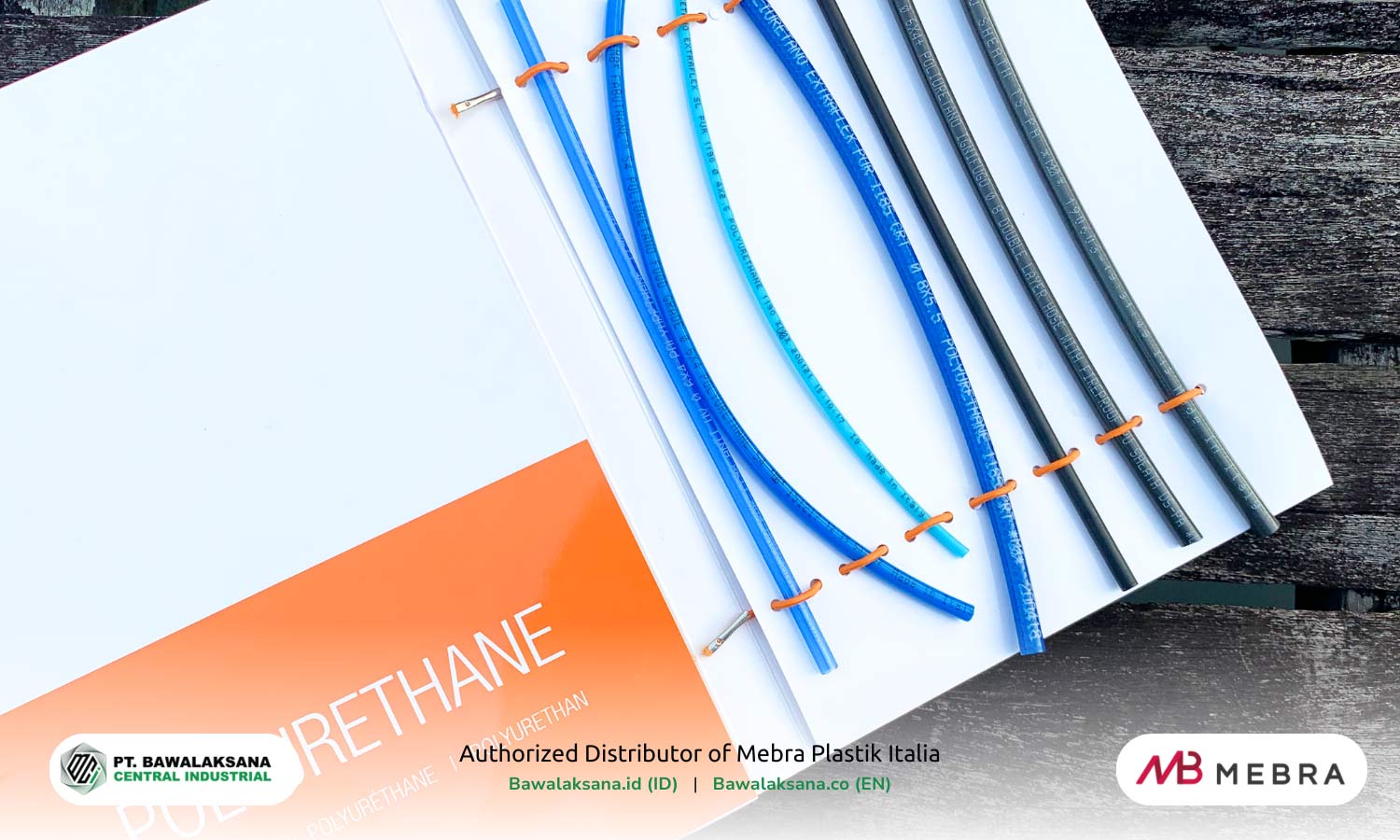
Polyurethane (PU) hoses are extensively utilized in various industrial and manufacturing sectors, particularly in applications that mandate high flexibility, such as in high-moving robotic systems. They are also known for their capabilities in withstanding ultraviolet radiation, moisture exposure, and compliance with ATEX (explosive atmospheres) regulations.
This article delineates polyurethane hoses’ primary advantages and relevance in diverse industrial and manufacturing contexts.
Exceptional Flexibility of Polyurethane Hoses
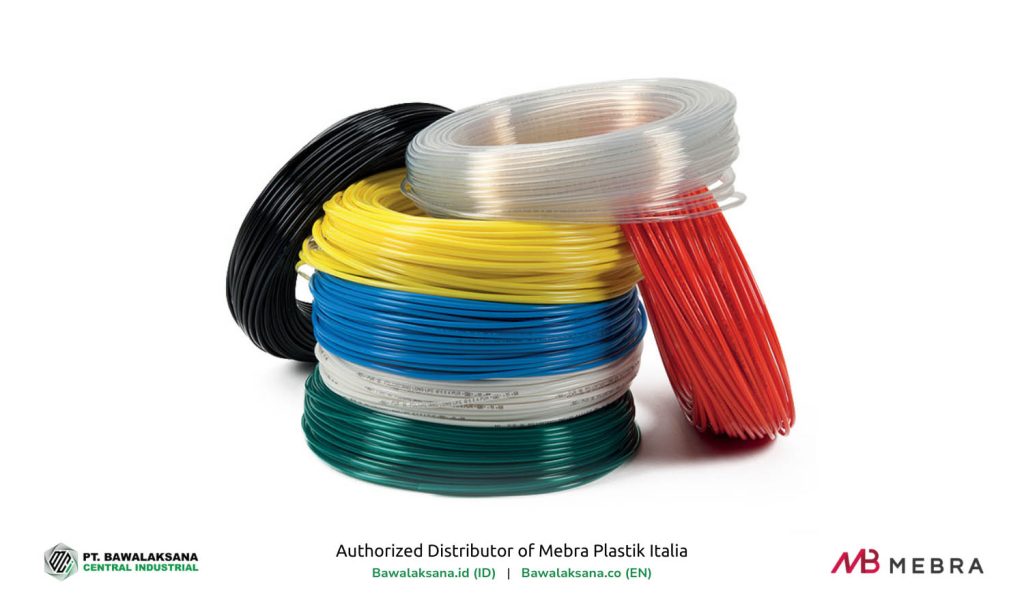
The primary benefit of polyurethane (PU) hoses is their exceptional flexibility, characterized by a minimal bending radius ranging from 10 to 90 millimeters, depending on the hose diameter. Tubing composed of PU represents the most flexible alternative available, providing commendable dimensional stability and surface durability.
Due to their remarkable flexibility, PU hoses facilitate ease of installation, effectively accommodate equipment movement, and exhibit kink resistance. Several industrial applications necessitate high flexibility, including:
- Industrial automation employing pneumatic systems
- High-mobility robots powered by pneumatic mechanisms
- Machine tools or air tools
- Robotic arms equipped with vacuum suction devices
Among our premier PU hose offerings that exhibit enhanced flexibility are:
Polyurethane 98 MB-Longlife®
The Polyurethane 98 MB-Longlife® tubing is extensively utilized across various industries owing to its exceptional flexibility, strength, and minimal bending radius. This hose is particularly well-suited for high-speed equipment applications, including industrial automation, robotics, vacuum systems, and machine tooling.
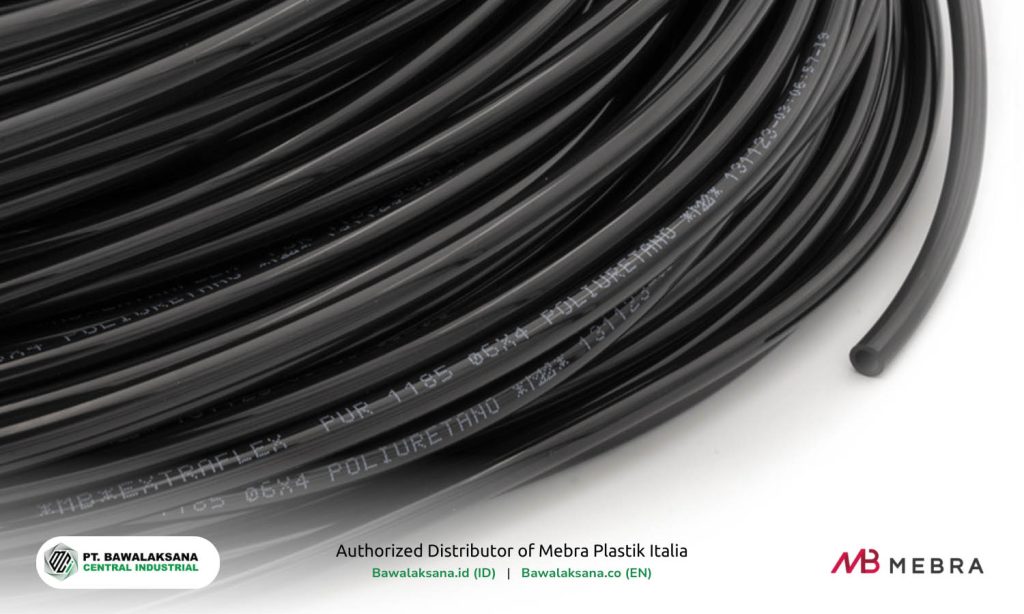
Polyurethane 1185 High Flexibility
The Polyurethane 1185 tubing is recognized as the softest and most flexible option available, providing resistance to kinking, twisting, and moisture, while possessing the ability to revert to its original shape. This product demonstrates greater flexibility than the Polyurethane 98 MB-Longlife® variant.
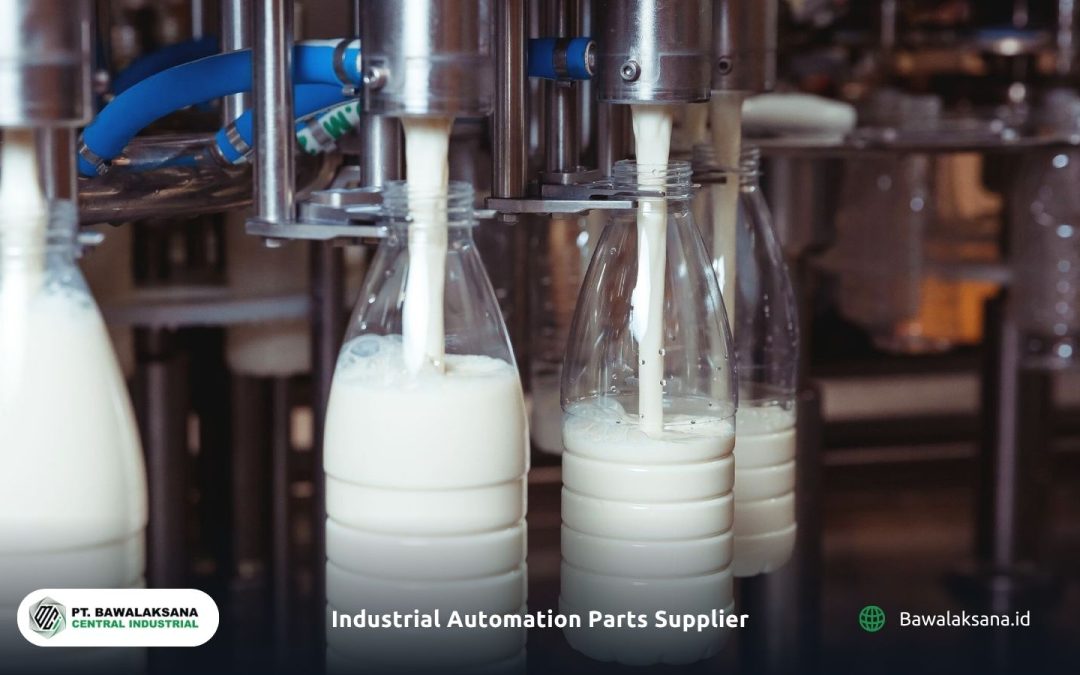
Food Contact and FDA Approval
Owing to its direct interaction with food products, the food and beverage industry must adhere to stringent standards that exceed those of many other sectors. This industry is governed by many norms, ethical guidelines, and regulations necessitated by the critical importance of consumer safety.
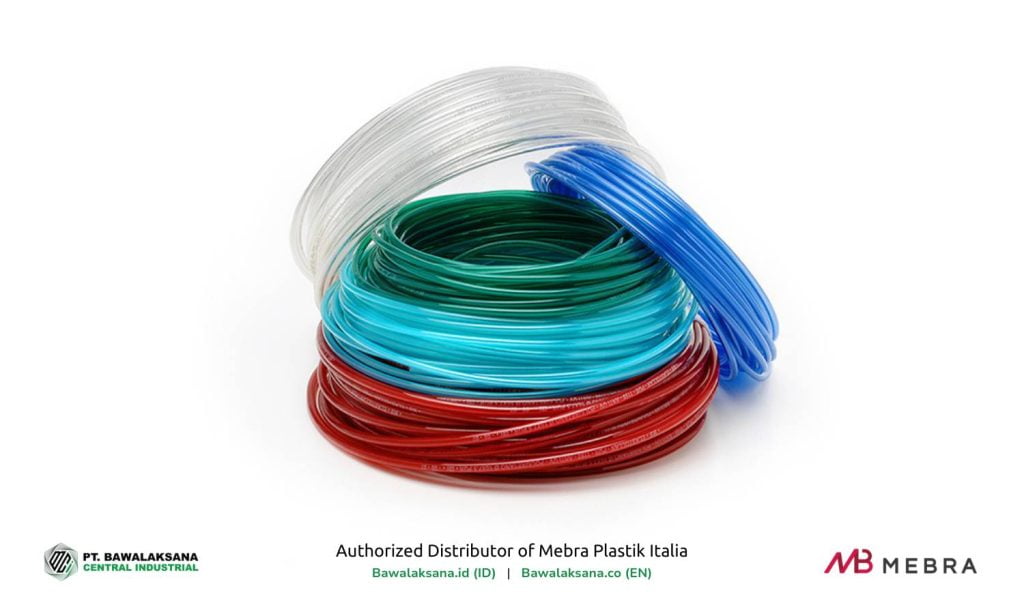
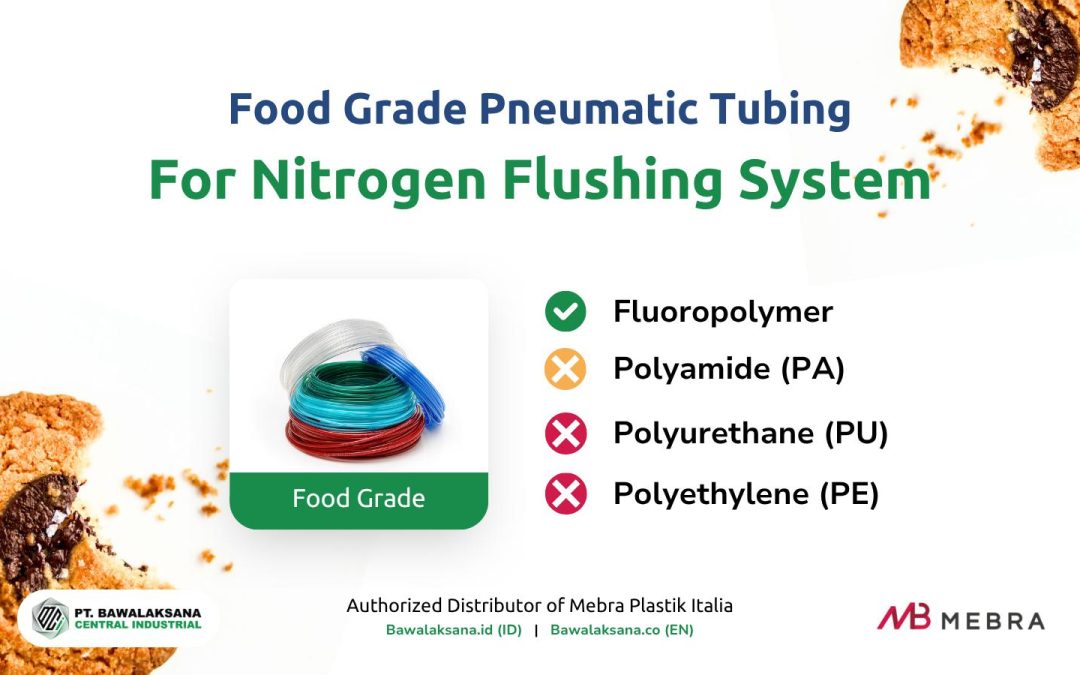
In this context, many manufacturers of polyethylene (PE) and Teflon (PTFE) hoses commonly utilize them in the food and beverage sector. Nevertheless, a high-quality polyurethane (PU) hose, known as PU Fabuthane® 54, presents a suitable alternative for applications in this industry.
Key Advantages of PU Fabuthane® 54
- It does not leach plastic substances into food at hazardous levels by CE Regulation 1935/2004.
- It maintains food’s original composition, taste, and aroma, as CE Regulation 1935/2004 stipulated.
- It is non-reactive with food, complying with CE Regulation 10/2011.
- It exhibits high abrasion resistance, with a hardness rating of 54 Shore D.
- Safe for F&B industry and pharmaceutical applications, as per FDA Title 21.
- It demonstrates resistance to degradation from ultraviolet exposure.
- It offers excellent dimensional stability due to its moisture resistance properties.
- Offering a more economical and environmentally sustainable alternative to PTFE.
In addition to its applications in the food and beverage sectors, Fabuthane® 54 is suitable for industrial automation systems, robotics, drinking water applications, and machine tools with low-pressure requirements.
Fire-Resistant and Flame-Retardant Hoses
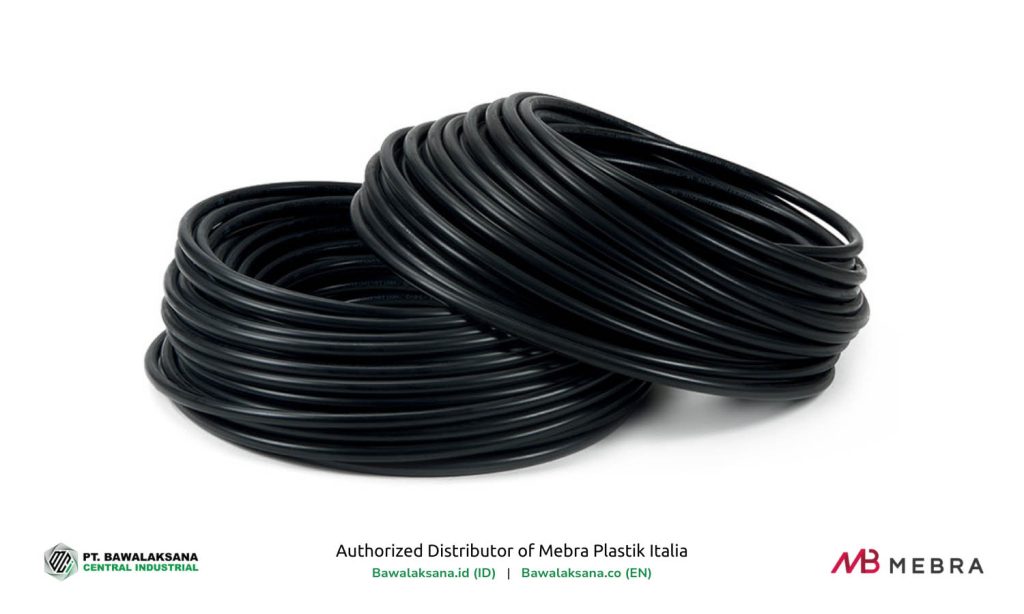
When working in environments where sparks, welding slag, or other fire hazards are a concern, polyurethane (PU) hoses can be an excellent choice. While polyamide (PA) hoses are favored for their strength, durability, and robustness, PU hoses can be a great alternative, potentially lasting even longer, particularly in humid conditions.
The following outlines several compelling reasons for selecting polyurethane (PU) hoses for applications that may be susceptible to sparking:
Enhanced Flexibility and Safety
PU hoses offer superior flexibility, making them easier to arrange and allowing them to lay flat on the workshop floor. This flexibility not only simplifies their use but also enhances their adaptability to various industrial applications.
In contrast, PA hoses tend to be stiffer and more challenging to manage, often creating obstacles in busy areas.
It’s common to hear someone say, “Hey, this hose is blocking the walkway! Can someone please tidy it up?”
This is a common source of frustration when juggling PA hoses in the workshop. If left unchecked, these hoses can quickly turn into tripping hazards, increasing the risk of falls or accidents—serious safety issues for any workplace.
Self-Extinguishing Properties
PU hoses, particularly Mebra Plastik Italia’s Polyurethane Mono Layer Self-Extinguishing hoses, can self-extinguish when exposed to flames.
These thicker hoses offer added durability and leak resistance against sparks. While they aren’t completely fireproof, employing Mono Layer Self-Extinguishing PU Hoses in workshops can significantly reduce air leaks, boosting worker productivity and safety.
You can now find Double-Layer Fire-Resistant Hoses equipped with anti-spatter and welding slag protection for even more demanding environments, making them ideal for extreme industrial applications.
Applications in ATEX Environments
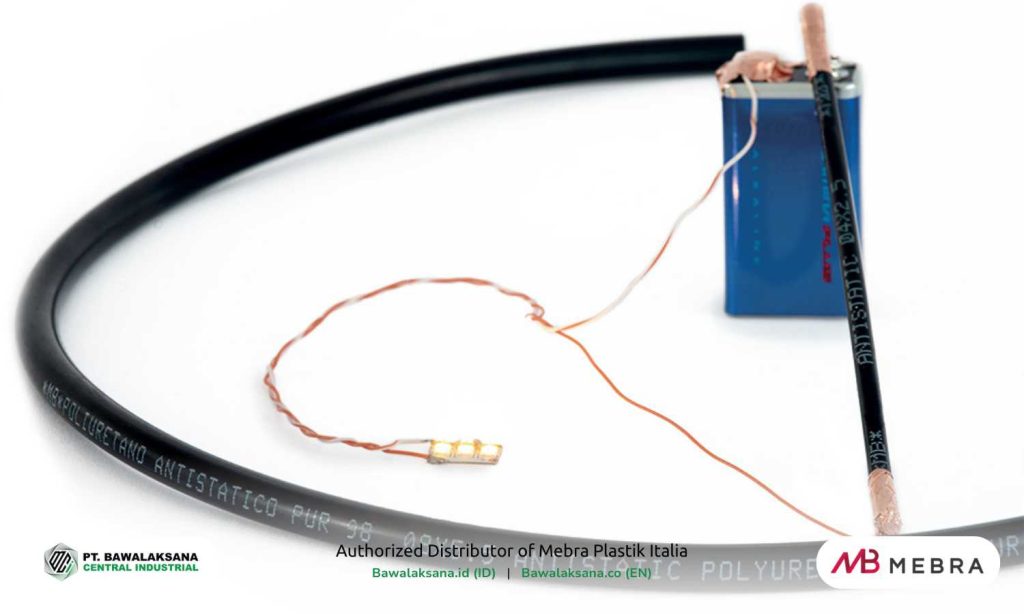
In Europe, ATEX standards govern equipment utilization in environments susceptible to explosions, such as oil and gas extraction sites or facilities that process methane and hydrogen gas. Polyurethane (PU) hoses, particularly those with antistatic properties, play a crucial role in ensuring safety in these environments by effectively discharging static electricity, thereby preventing the occurrence of sparks.
It is crucial to acknowledge that static electricity poses a significant risk in ATEX environments, as it can initiate fires or explosions. Consequently, these areas impose stringent criteria regarding the deployment of electronic equipment.
Pneumatic Systems as a Mitigation Strategy
Pneumatic systems are the best recommendation for applications in ATEX environments. This approach diminishes reliance on electrical and electronic devices, often responsible for generating heat or sparks.
However, it is essential to note that not all pneumatic hoses are suitable for use in ATEX zones; they must possess antistatic properties. Such properties ensure that the hose can effectively discharge static electricity, thereby preventing the occurrence of sparks in hazardous areas.
The Ideal Hose for ATEX Applications
The Polyurethane 98 Antistatic hose is particularly well-suited for addressing these challenges. This pneumatic hose is specifically engineered for application in ATEX environments, classified under Group 2, 2/3 Category G&D, and Installation Zones 1 and 2.
Key Features of PU 98 Antistatic Tubing
The hose features a triple-layer construction: the inner and outer layers are antistatic, exhibiting a surface resistivity of ≤ 10⁶ Ohm, in compliance with ISO 8031:2009(E). The middle layer, composed of high-strength polyurethane, provides exceptional mechanical durability. These attributes make PU 98 Antistatic hoses safe for ATEX environments, particularly within industries that handle oil, gas, methane, and hydrogen processing.
Moisture Resistance and Microbial Resistance
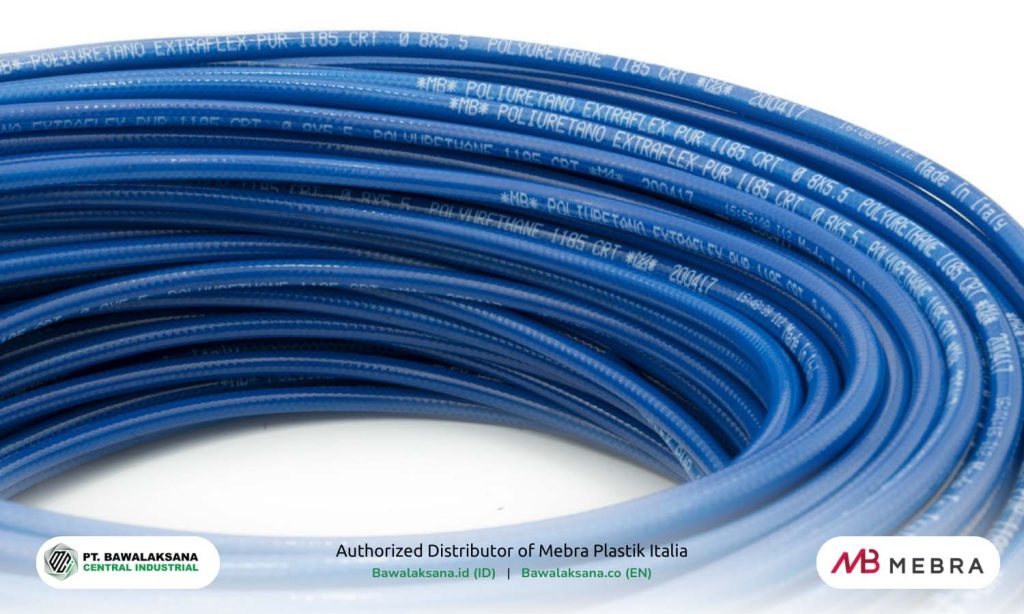
Polyurethane (PU) hoses are renowned for their resistance to moisture and microbial attacks, making them the optimal choice for applications exposed to water or high-humidity environments. Their durability in such conditions instills confidence in their reliability, particularly in dynamic applications and those requiring excellent dimensional stability.
PU hoses are favored in pneumatic systems due to their effectiveness in addressing common challenges, such as:
- Air humidity
- Dynamic applications
- Abrasion resistance
- Excellent dimensional stability
In particular, Polyurethane pneumatic hoses from Mebra Plastik Italia exemplify these advantages, making them a superior option for various applications.
The Significance of Moisture Control in Manufacturing
Moisture can pose a substantial risk within industrial manufacturing settings. It is a predominant factor contributing to hose cracking, rupture, and leakage. This issue is particularly relevant for hygroscopic hoses, which tend to absorb moisture—such absorption results in dimensional alterations that can ultimately lead to cracks or ruptures.
If the moisture problem is not adequately controlled, it may result in frequent downtimes within pneumatic systems, diminishing the company’s overall productivity.
UV Resistance and Weatherproof
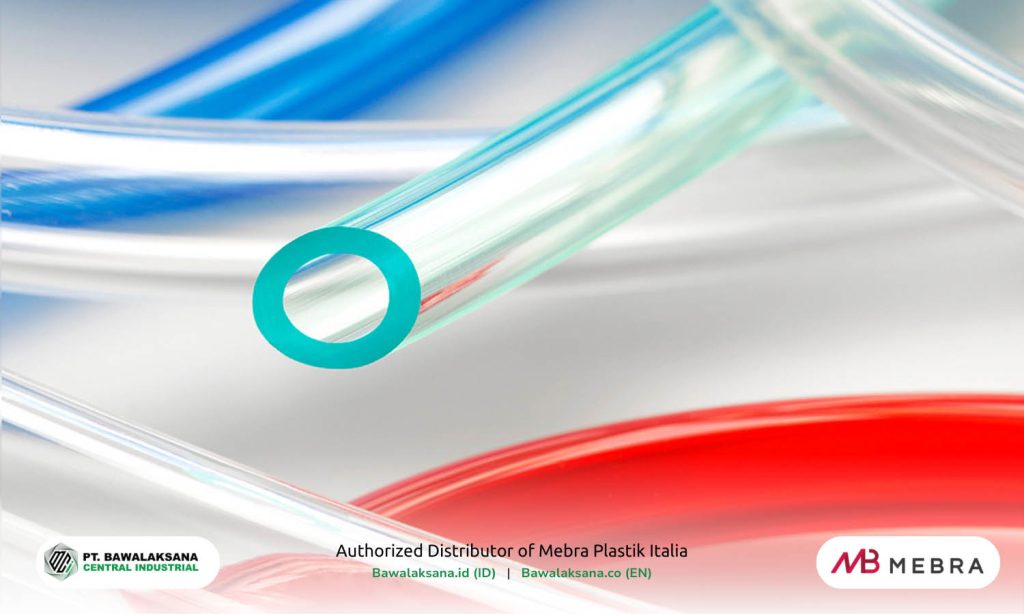
Polyurethane (PU) tubing is characterized by its exceptional resistance to ultraviolet (UV) radiation and weathering. This attribute ensures the hose retains its elasticity, even under intense sunlight exposure.
Among the most effective PU hoses designed for high UV exposure is the PU Clear 1198 UV Resistance tubing. This specific polyurethane hose is engineered to withstand environments with elevated levels of UV radiation. Furthermore, it demonstrates excellent moisture resistance and possesses a hardness rating of 54 Shore D.
Given these advantages, the clear PU hose offers outstanding dimensional stability and abrasion resistance while maintaining high flexibility.
Exceptional Elastic Memory in Industrial Applications
Contemporary industrial machinery’s high speed and remarkable mobility have become standard in today’s manufacturing landscape. These advanced machines, characterized by their precision and efficiency, empower manufacturers to attain unprecedented economies of scale.
Consequently, the demand for industrial tubing and pneumatic hoses that can effectively withstand these dynamic challenges has significantly increased.
Fortunately, polyurethane (PU) hoses present an optimal solution due to their resistance to twisting and kinking and exceptional elastic memory.
The premier options for addressing these challenges are the PU Spiral High Flexibility hose and Polyurethane 1185. These hoses are meticulously engineered to deliver outstanding elasticity, eliminating concerns regarding kinks or folds, as they can automatically revert to their original shape.
By incorporating high-flexibility PU hoses into automation systems, companies can enhance operational speed and efficiency, ensuring seamless and dynamic performance in industrial processes.
Drag Chain or Cable Protection
The demand for cable carrier chains (drag chains) is experiencing a significant increase daily.
Industrial robots, three-dimensional machinery, and offshore drilling equipment necessitate power cables for on-site energy supply.
Therefore, a cable protector for drag chains is essential to keep the electrical system safe and prevent damage caused by high mobility.
The Importance of Cable Protection
A substantial number of cables are deployed to sustain the operation of industrial robots and energy chains on drilling rigs. These cables can lead to severe complications without proper protection or systematic management.
Therefore, the cable carrier chains or drag chains become essential, as they mitigate the risk of surface damage to cables caused by friction and high levels of device mobility.
Moreover, drag chains provide additional benefits, including:
- Protection of cables from short circuits
- Enhanced cable management, facilitating maintenance processes
Key Features of Drag Chain Tubing
Tubing specifically engineered for drag chains typically presents several advantages, such as:
- Tripled abrasion resistance, offering heightened protection and an extended service life
- Moisture resistance, which prevents dimensional changes and water-induced damage
- High flexibility, accommodating rapid and dynamic movements
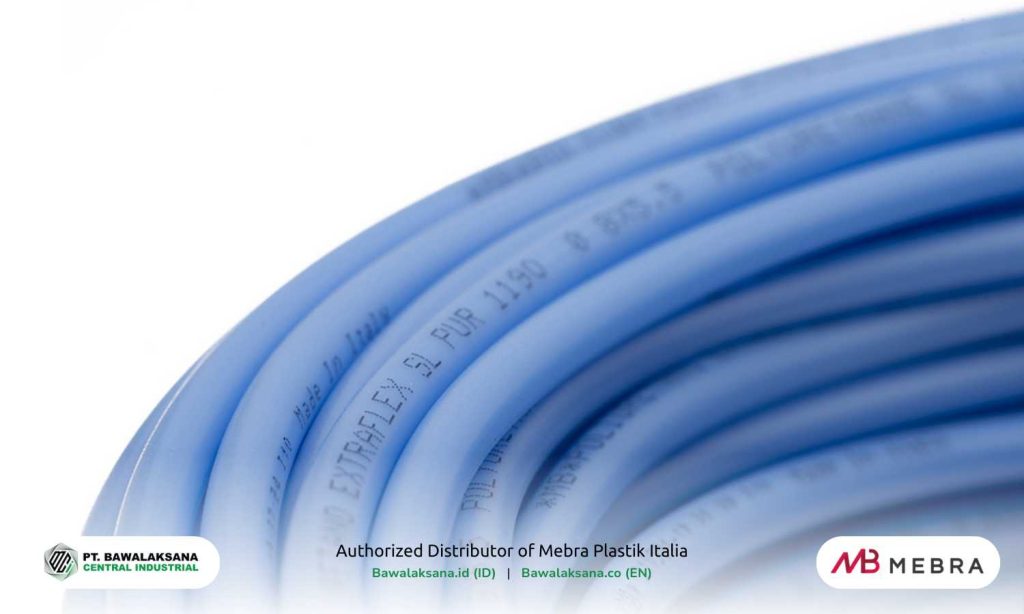
Polyurethane 1190 WR – The Optimal Solution for Drag Chains
In light of the escalating demand, polyurethane (PU) hoses, particularly the Polyurethane 1190 WR, present a superior solution. This specific tubing is excellently suited for application in drag or energy chains. It functions effectively as a cable protector or for low-pressure air supply, exhibiting high flexibility and self-lubricating characteristics alongside threefold better abrasion resistance than traditional PU Extraflex 1190.
Additionally, Mebra Plastik Italia, the manufacturer of this product, offers customization options, enabling the integration of sheathed and heat-sealed electric cables as necessary.
Your Trusted Partner for Industrial Pneumatic Tubing
In summary, polyurethane (PU) hoses effectively solve various challenges within the industrial and manufacturing sectors. The market offers a diverse range of PU hoses designed explicitly for distinct applications. However, it is essential to emphasize that PU hoses are unsuitable for high-pressure and high-temperature environments, chemical interactions, or exposure to oil or gasoline.
Selecting the appropriate type and specifications of PU hoses for your industrial application is crucial to ensuring optimal performance and longevity.
PT. Bawalaksana Central Industrial is the authorized distributor of Mebra Plastik Italia, providing a comprehensive assortment of pneumatic hoses and industrial tubing. We also extend thorough support for maintenance and repair services to ensure seamless operational processes.
With our extensive experience across various industrial sectors and robust partnerships throughout Asia and Europe, we deliver effective solutions at competitive pricing. For additional product and service information, please click the Free Consultation button below to contact our sales engineers.

Romanta Pinrih Linuwih
Pneumatic Automation Systems Expert
This article was written in collaboration with Romanta Pinrih Linuwih, an expert in Pneumatic Automation Systems, to ensure accuracy and high quality insights.

![10+ Examples of Pneumatic Tools in Daily Life and Industry [2025]](https://bawalaksana.co/wp-content/uploads/2025/05/Sandblasting-large-diameter-pipes-to-remove-surface-contaminants-1080x675.jpg)