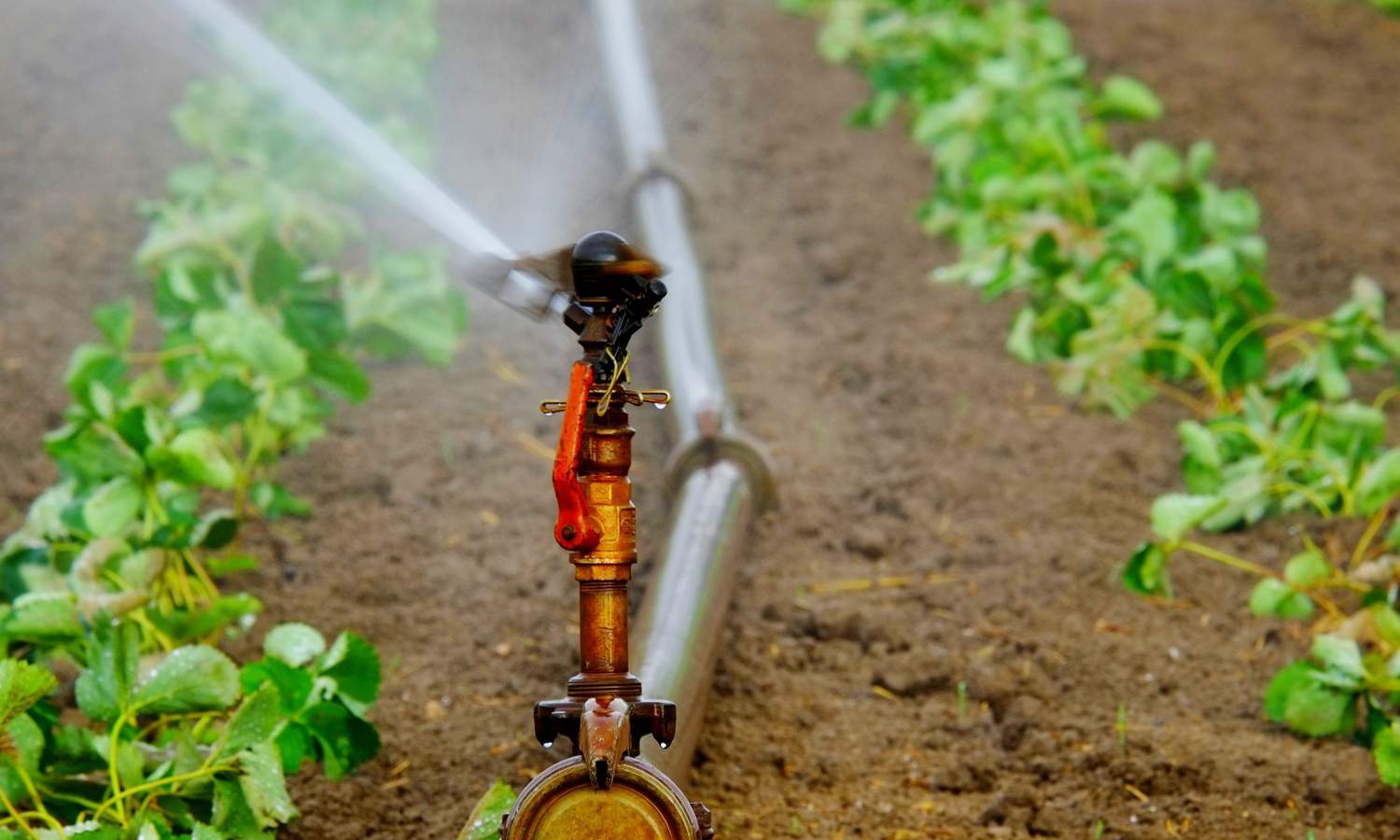
Irrigation systems are important in the world of agriculture. Efficient and effective irrigation can increase agricultural productivity and save water use.
One type of irrigation that has proven to be efficient is drip irrigation using an irrigation hose.
In this article, Bawalaksana.id will discuss in depth about irrigation hoses, their uses and how to install them correctly.
What is an Irrigation Hose?
An irrigation hose is a special pipe used to slowly and evenly deliver water directly to the plant roots. Irrigation hoses have small holes called emitters, which allow water to drip slowly into the soil around the plant roots.
With the emitters on the irrigation hose, these slow droplets of water provide sufficient time for the plants to absorb the water efficiently.
Irrigation hoses are usually made of plastic materials, such as PE (Polyethylene) or PVC (Polyvinyl Chloride), which are resistant to corrosion and damage from exposure to sunlight and weather.
Irrigation hoses are also available in various sizes and lengths, which can be customized to suit the irrigation needs of the farm.
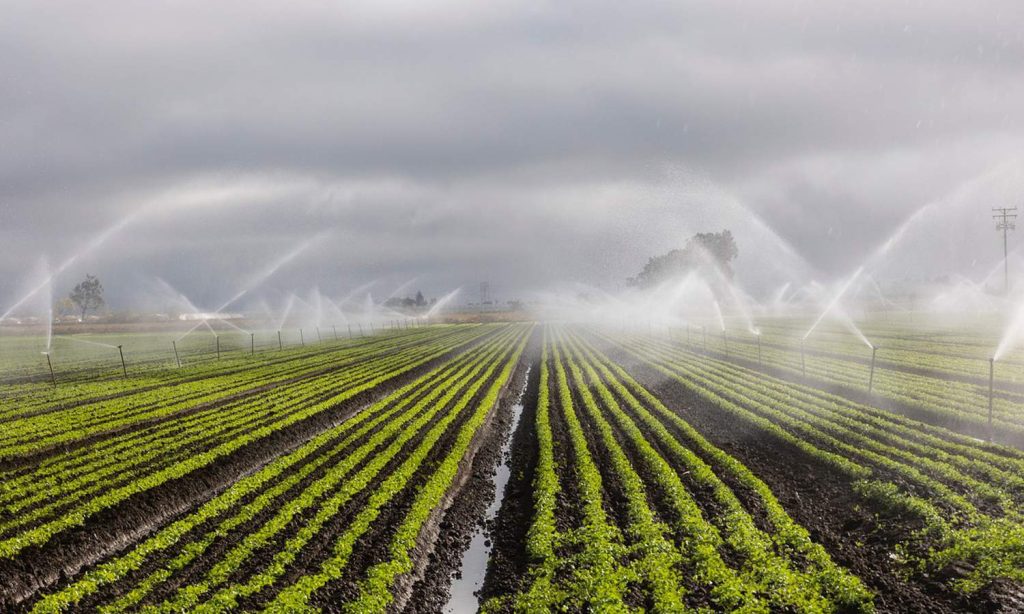
Advantages of Utilizing Irrigation Hose for Agriculture
The use of irrigation hoses in agriculture has several advantages over traditional irrigation methods, including:
- Water Use Efficiency: Irrigation hoses allow for more efficient water usage as water is only applied to the area around the plant roots, avoiding wastage and excessive water evaporation.
- Labor Saving: With the use of irrigation hoses, farmers do not need to water the plants manually, saving labor and time.
- More Effective Water Delivery: Irrigation hoses help in effectively controlling the volume of water used for watering. This is tailored to specific phases, and helps minimize excess or deficiency of water to the plants.
- Reduced Risk of Disease: By using an irrigation hose, water is applied directly to the roots of the plant without touching the leaves or other parts of the plant. This reduces the risk of disease spread caused by excess moisture on the plant or leaves.
- Increased Crop Productivity: Good use of irrigation hoses can help to improve crop growth and yield.
Types of Irrigation Hoses
Irrigation hoses come in different types, depending on the needs and conditions of the farm. The following are some commonly used types of irrigation hoses:
Perforated Drip Hose
This type of irrigation hose usually has emitters or small holes spaced between 10-50 cm along the hose.
With the emitters, water can drip through the small holes to provide even irrigation to the plants.
Orifice-less Drip Hose
This type of hose has no holes at all. Therefore, farmers need to perforate this hose according to the irrigation needs of the crop. Orifice-less drip hoses are generally more flexible and can be customized according to the needs of the farm.
Underground Drip Hose
These hoses are buried below the soil surface, delivering water directly to the plant roots through a system of pipes hidden in the soil.
Underground drip hoses are suitable for plants with deep roots. Using an underground drip hose can reduce water evaporation.
Micro Drip Hose
This hose has a very small emitter, which allows for slow and precise water application to the plants. Micro drip hoses are usually used for plants with very specific water requirements.
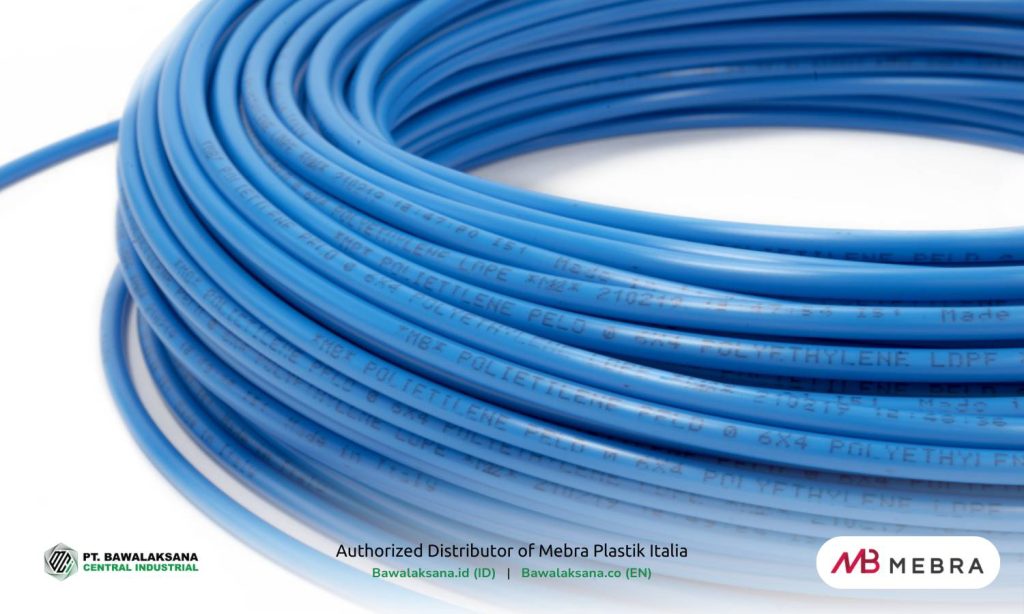
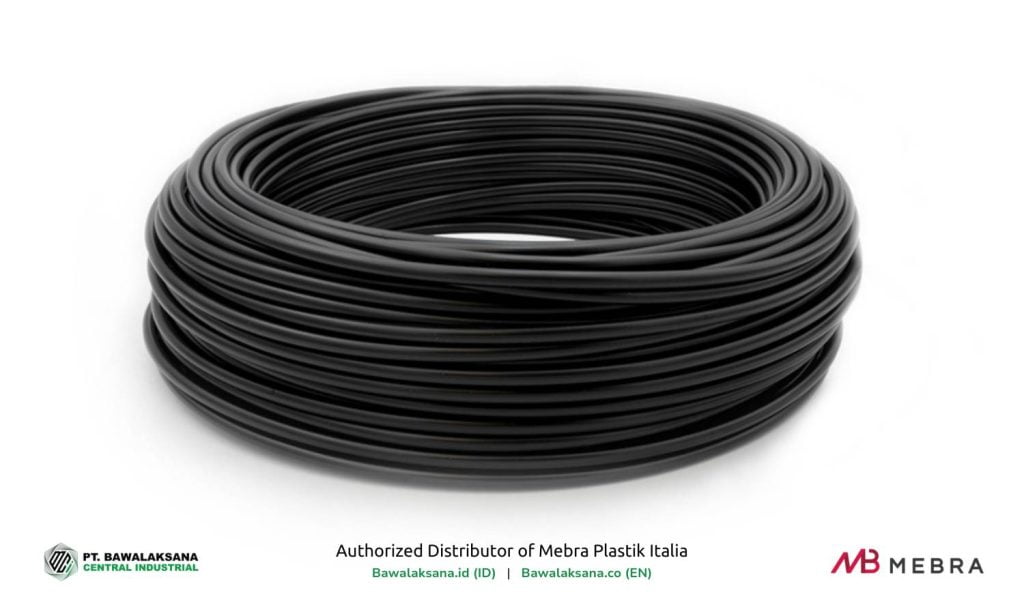
For your information, for a durable and long-lasting irrigation hose, you can use LDPE hose hose that can be used for years.
These hoses range in thickness from 0.5mm to 3.5mm, and range in diameter from 2mm to 32mm.
By using LDPE hoses for agricultural irrigation systems, your investment can be used for multiple harvests.
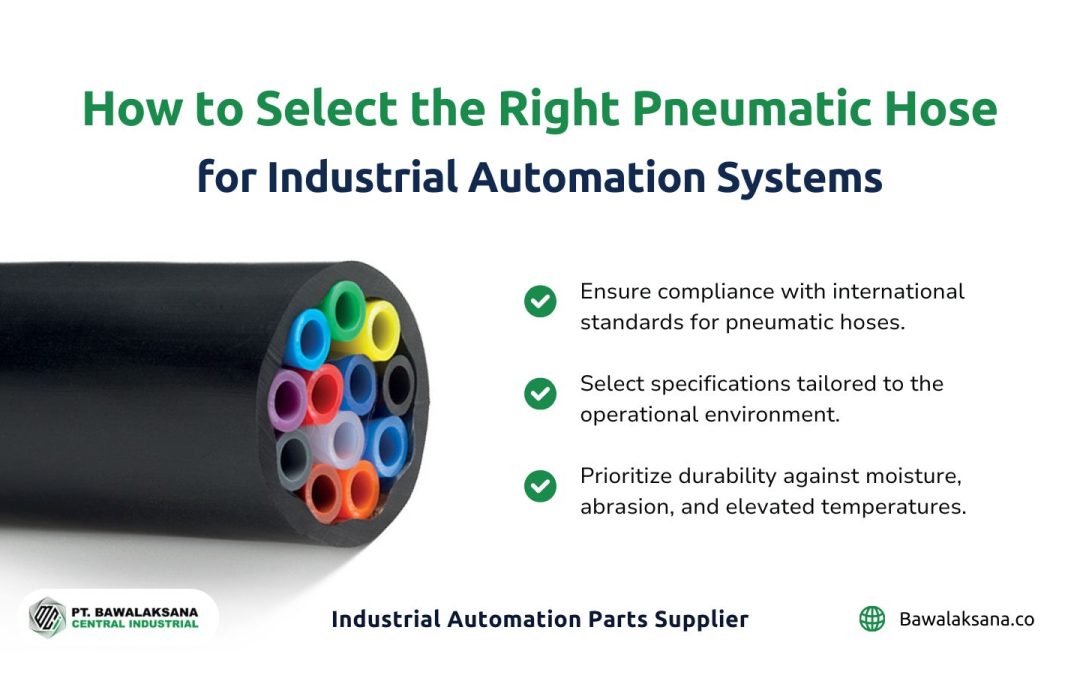
LDPE hose is a tubing that can be used for various industrial sectors, including irrigation, automation systems, vacuum, machine tools and for pneumatic hoses.
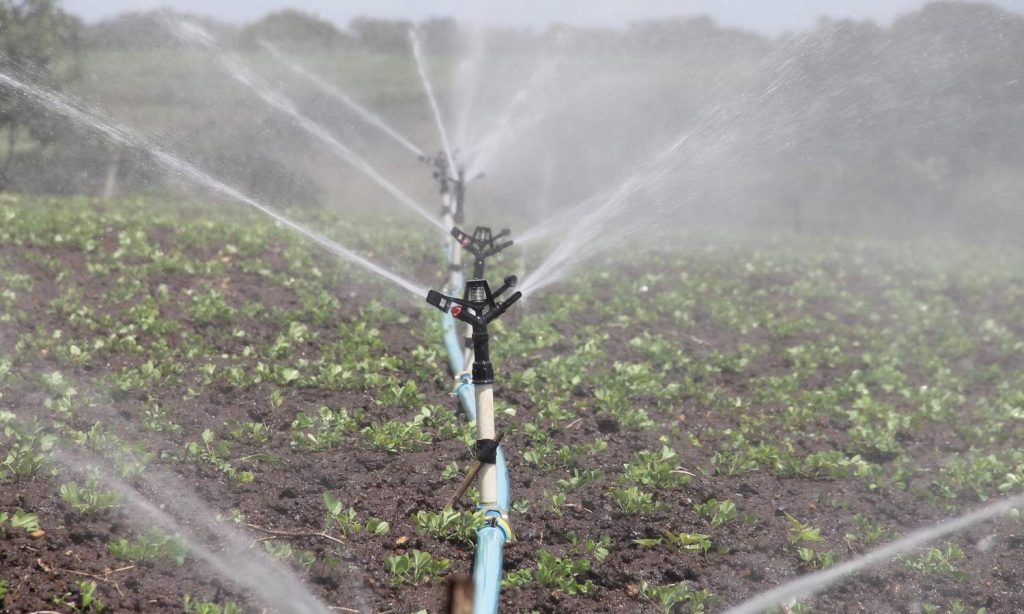
How to Install an Irrigation Hose Correctly
Installing irrigation hoses needs to be planned properly. So that the irrigation system that is created becomes effective and efficient. The following are some recommendations when installing irrigation hoses:
Making Hose Layout Planning
Plan the layout of irrigation hoses according to crop needs and farm conditions. Make sure the irrigation hose covers the entire plant area evenly.
Determine the irrigation hose holes with the right distance (space) between emitters according to the distance between plants.
If you are using an LDPE hose, then add a branch (4 way) leading to a number of surrounding plants.
Setting up Irrigation Equipment
Prepare various tools and equipment to create a good agricultural irrigation system, such as the following:
- Irrigation hose
- Connector
- Water pump
- Valve or valves
- And others
Using a Main Hose for Even Distribution
For more even distribution, you can use a 16 mm or larger LDPE main hose.
Furthermore, on each main hose a branch or 4-way can be added to a smaller size hose. The function of the small hose can be used to drip water directly onto plant roots.
Irrigation System Testing
After all the hoses have been placed on the agricultural field, the next step is to conduct the test.
Check each water line and ensure that the distribution is even throughout and that there is no over or under supply of water.
If there are leaks or other problems, they should be repaired before the irrigation system is used for farming.
Setting the Irrigation Schedule
Determine an irrigation schedule that suits the needs of the plants. Make sure that the plants can get enough water supply. However, it is also important to avoid excess water that could cause waterlogging or damage to plant roots.
Care and Maintenance of Irrigation Systems
In order for the irrigation system to function optimally, it is necessary to carry out regular inspection or maintenance. For example, by replacing irrigation hoses that have started to crack or break.
Checking for leaks is also necessary so that no water is wasted.
These are the 6 points for recommendations on properly installing irrigation hoses for agriculture.
With a good irrigation system, you can provide water and nutrients to the plants directly without worrying about it evaporating or being washed away by rainwater.
In summary, irrigation hoses can help save water, reduce labor and increase overall agricultural productivity.
Have you implemented an irrigation system on your farm?
A good irrigation system can increase crop yields and effectiveness in the process of watering and providing nutrients to plants.
By using quality irrigation hoses, the irrigation system can be used for many years to come. That way your investment in agricultural land can be more durable and sustainable.
Hopefully, the information in our article calm drip irrigation hose and its benefits can provide useful insight for you.
If you want to get a recommendation quality imported LDPE irrigation drip hose please talk to our expert team by clicking the consultation button below.

Romanta Pinrih Linuwih
Pneumatic Automation Systems Expert
This article was written in collaboration with Romanta Pinrih Linuwih, an expert in Pneumatic Automation Systems, to ensure accuracy and high quality insights.

![10+ Examples of Pneumatic Tools in Daily Life and Industry [2025]](https://bawalaksana.co/wp-content/uploads/2025/05/Sandblasting-large-diameter-pipes-to-remove-surface-contaminants-1080x675.jpg)