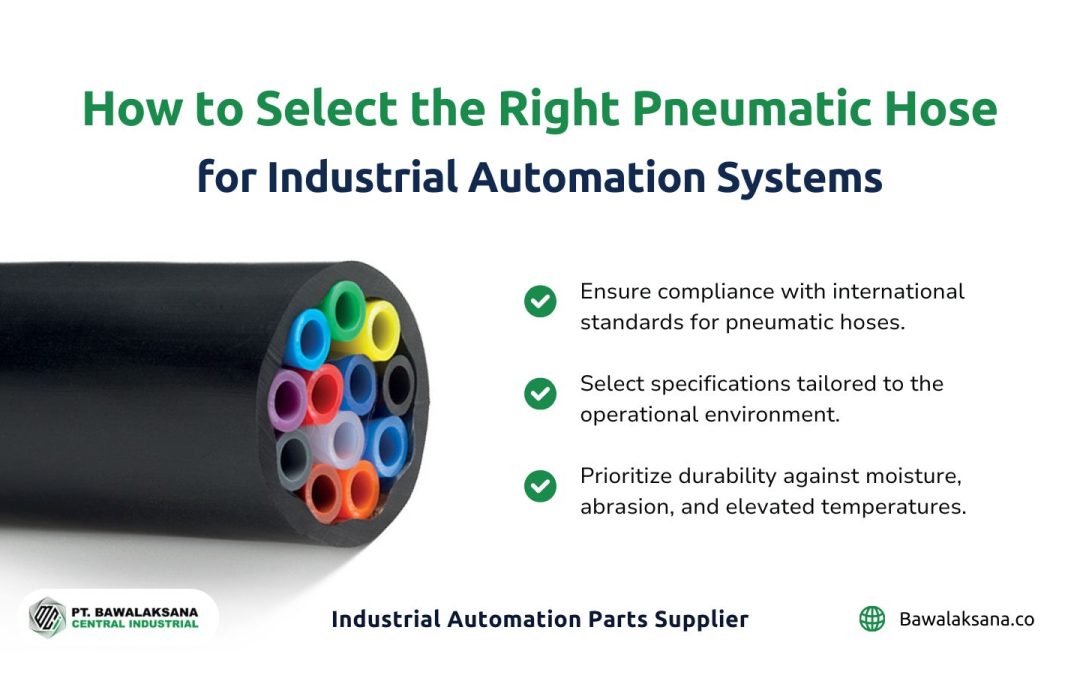
The comparison between PU and PE hoses revolves around their distinct characteristics, encompassing flexibility, chemical resistance, and flammability.
This article addresses a common inquiry within the industrial domain: the disparities between Polyurethane (PU) and Polyethylene (PE) hoses and their relative merits.
The discussion will explore the unique properties of PU and PE hoses, their respective benefits, and their applications in industrial settings. It is pertinent to note that PU and PE hoses are extensively utilized across diverse industrial and manufacturing sectors, particularly in automation systems.
Selecting the appropriate PU and PE hoses for industrial use can improve production efficiency and guarantee optimal performance.
What is a PU Hose?
Polyurethane (PU) hoses are known for their elasticity, durability, and exceptional flexibility due to the proper formulation’s combination of polyols and isocyanates. Key benefits of PU hoses include UV resistance, hydrolysis resistance, electrical insulation properties, and low flammability.
What is a PE Hose?
Polyethylene (PE) hoses are made from one of the most commonly used plastics, representing 40% of global plastic production. This material is widely used in everyday products, including pneumatic hoses. PE hoses stand out for their strong hydrolysis and chemical resistance.
Are PU Hoses Heat-Resistant?
PU hoses can withstand temperatures up to 60°C and operate under pressures of up to 22 BAR or 319.1 PSI. Different manufacturers produce PU hoses with varying specifications and types. Based on your application needs, select the proper pneumatic hose for system efficiency and reliability.
Differences Between PU and PE Hoses
Polyurethane (PU) hoses are highly regarded for their elasticity, strength, and flexibility.
In contrast, Polyethylene (PE) hoses are manufactured from one of the most commonly utilized plastics, accounting for 40% of global plastic production. PE is a widely employed polymer in everyday applications, including pneumatic hoses.
Nonetheless, there are comparatively fewer pneumatic hose options made from PE. Conversely, PU hoses provide various choices and applications across various industrial sectors.
Notably, each manufacturer produces PU and PE hoses with diverse specifications. These discrepancies are often the result of the contributions of their research and development (R&D) teams, which play a pivotal role in the development and production of these hose types.
Comparison of PU and PE Hose Characteristics
The characteristics of PU and PE hoses are generally quite distinct. PU hoses are known to be more elastic and flexible compared to PE hoses.
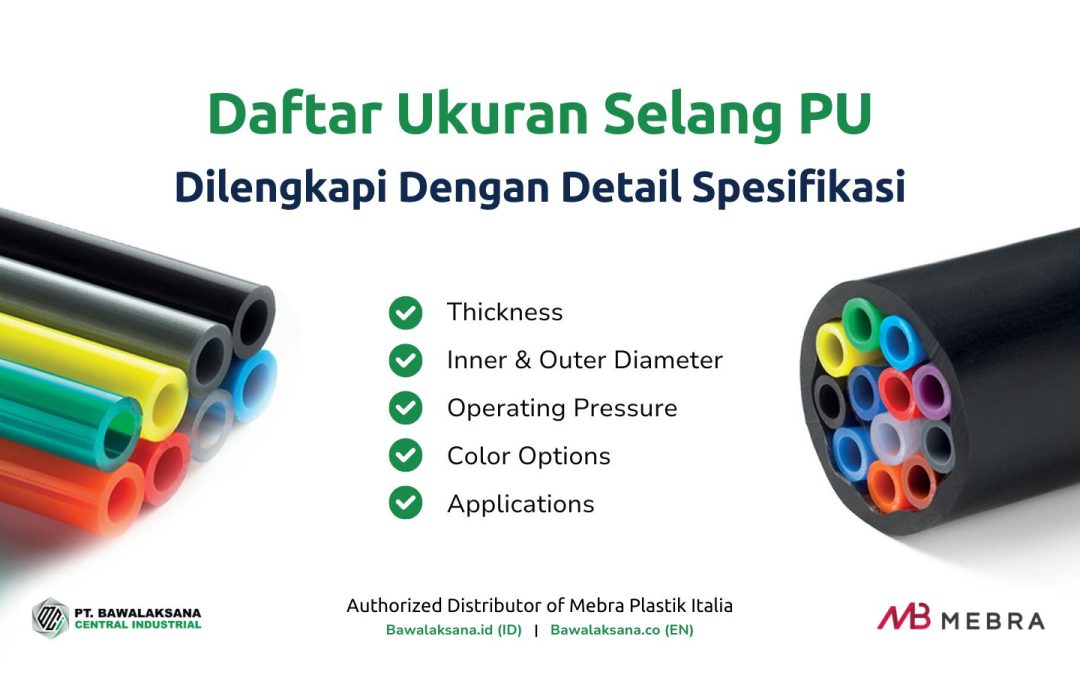
Referring to products from Mebra Plastik Italia, a specialist manufacturer of pneumatic hoses, PU hoses offer the following advantages:
- UV resistance
- Hydrolysis resistance
- Electrical resistance
- Low flammability
Meanwhile, PE hoses provide the following benefits:
- Hydrolysis resistance
- Chemical resistance
In the next section, we will explore the strengths and advantages of each type of hose in greater detail.


.
Flexibility
In terms of flexibility, PU hoses are significantly more flexible than PE hoses.
In our opinion, the Polyurethane 1185 Extraflex is one of the most flexible Polyurethane (PU) hoses.
With an outer diameter of 3 mm and a wall thickness of 0.75 mm, this hose boasts a minimum bending radius of just 5 mm.
On the Polyethylene (PE) side, Low-Density Polyethylene (LDPE) is the most flexible option.
With an outer diameter of 2 mm and a wall thickness of 0.5 mm, its minimum bending radius is 10 mm.
These specifications show that PU hoses provide better bendability and overall flexibility than PE hoses.
Pressure Resistance (BAR)
When it comes to pressure resistance, PE hoses generally outperform PU hoses.
One of the best-performing Polyurethane (PU) hoses for pressure resistance is the Polyurethane 98 MB-Longlife®.
At an operating temperature of 23°C, this hose can withstand pressures from 8 to 22 BAR (116 to 319 Psi).
For Polyethylene (PE), High-Density Polyethylene (HDPE) hoses are recognized for their superior pressure resistance.
At 23°C, these hoses can operate under pressures between 15 and 38 BAR (217 to 551 Psi).

Chemical Resistance
Next, let’s compare the chemical resistance of these two types of hoses.
We can conclude that Polyethylene (PE) hoses are superior to Polyurethane (PU) hoses in terms of chemical resistance.
Based on our experience, all pneumatic Polyethylene (PE) hoses exhibit excellent chemical resistance. This assessment is grounded in the products we supply from Mebra Plastik Italia.
In contrast, pneumatic hoses made from Polyurethane (PU) do not provide the same level of chemical resistance as their PE counterparts.
However, it’s important to acknowledge that each type of hose has its own unique advantages when evaluated across different criteria.
Ultimately, both types are high-quality industrial hoses, each designed for specific applications and suitable for various industry sectors.
Applications for Food Contact
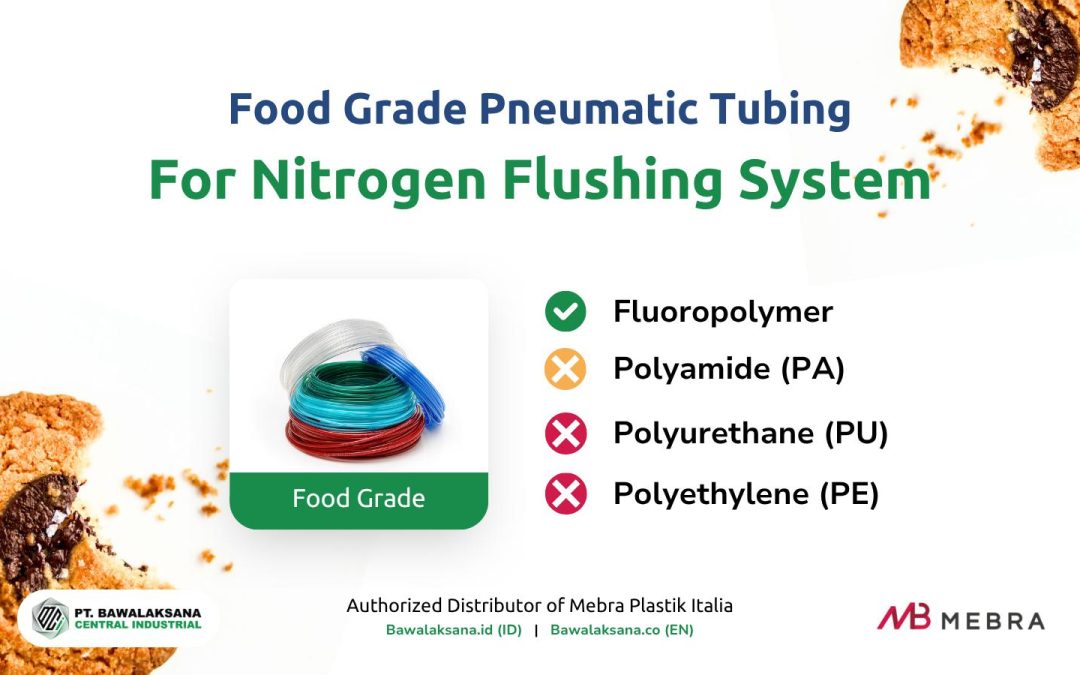
Both PU and PE pneumatic hoses are excellent candidates for food-contact applications, with both materials meeting food-grade standards such as those set by the FDA (Food and Drug Administration).
However, it’s important to note that not all PU and PE hoses comply with these standards.
In our catalog, we offer just one food-grade option for each material: Polyurethane Fabuthane® 54 for PU and Linear Low-Density Polyethylene (LLDPE) for PE.
The maximum inner diameters are 11 mm for the PU hose and 16 mm for the PE hose.
These hoses are ideal for transporting dry foods or powders, such as cereals, flour, and sugar.
For cases where a larger hose size is required, we recommend Flexible Polyamide (PA) 12 PHL, which comes with inner diameters ranging from 44 mm to 90 mm.
Polyamide (PA) 12 PHL is well-suited for transferring granular, powdered, or dry food materials due to its superior abrasion resistance.
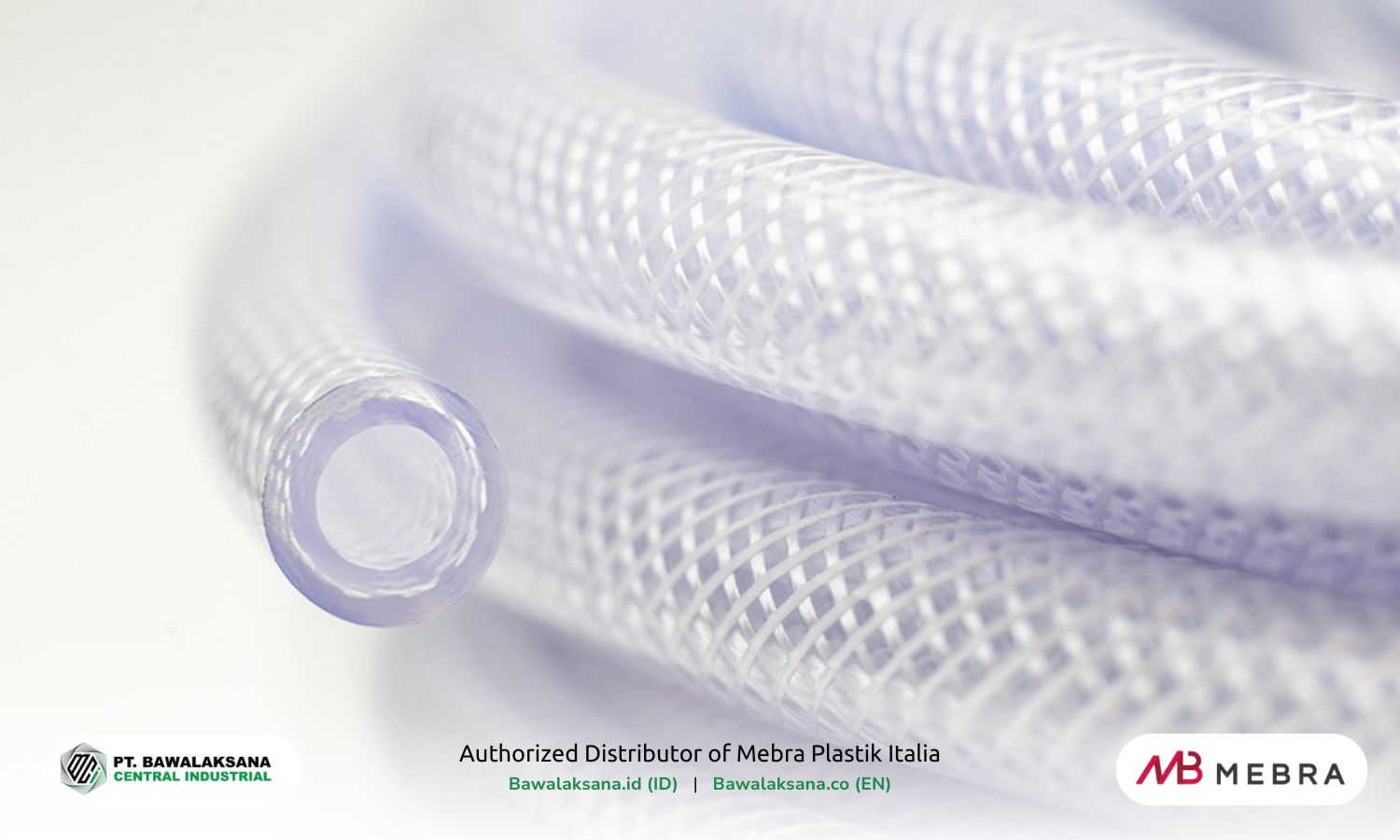
Another popular alternative is Reinforced PVC, a food-grade pneumatic hose reinforced with high-strength textile fiber braiding.
This hose is phthalate-free, ensuring it’s safe for food contact. Phthalates are chemicals often found in flexible products, soaps, perfumes, and cosmetics.
Reinforced PVC offers several benefits:
- Safe for food contact
- Neutral color
- Odorless
- Non-toxic
- Low friction coefficient
- Maximum inner diameter of 50 mm
Additionally, it provides excellent resistance to atmospheric agents and a wide range of chemicals, making it versatile for food processing applications.
Resistance to Low and High Temperatures
Both PU and PE hoses offer distinct advantages in terms of temperature resistance.
While PE hoses generally have a slight edge over PU hoses in handling higher temperatures, the difference is relatively small (less than 100°C).
According to specifications, one of the top-performing Polyurethane (PU) hoses for high-temperature resistance is Elastollan® C 98, with an operating temperature range from -40°C to 60°C.
In comparison, High-Density Polyethylene (HDPE), a type of PE hose, provides a slightly broader temperature range, operating from -40°C to 70°C.
This makes both PU and PE hoses suitable for various applications, each excelling in different environments depending on the temperature requirements.
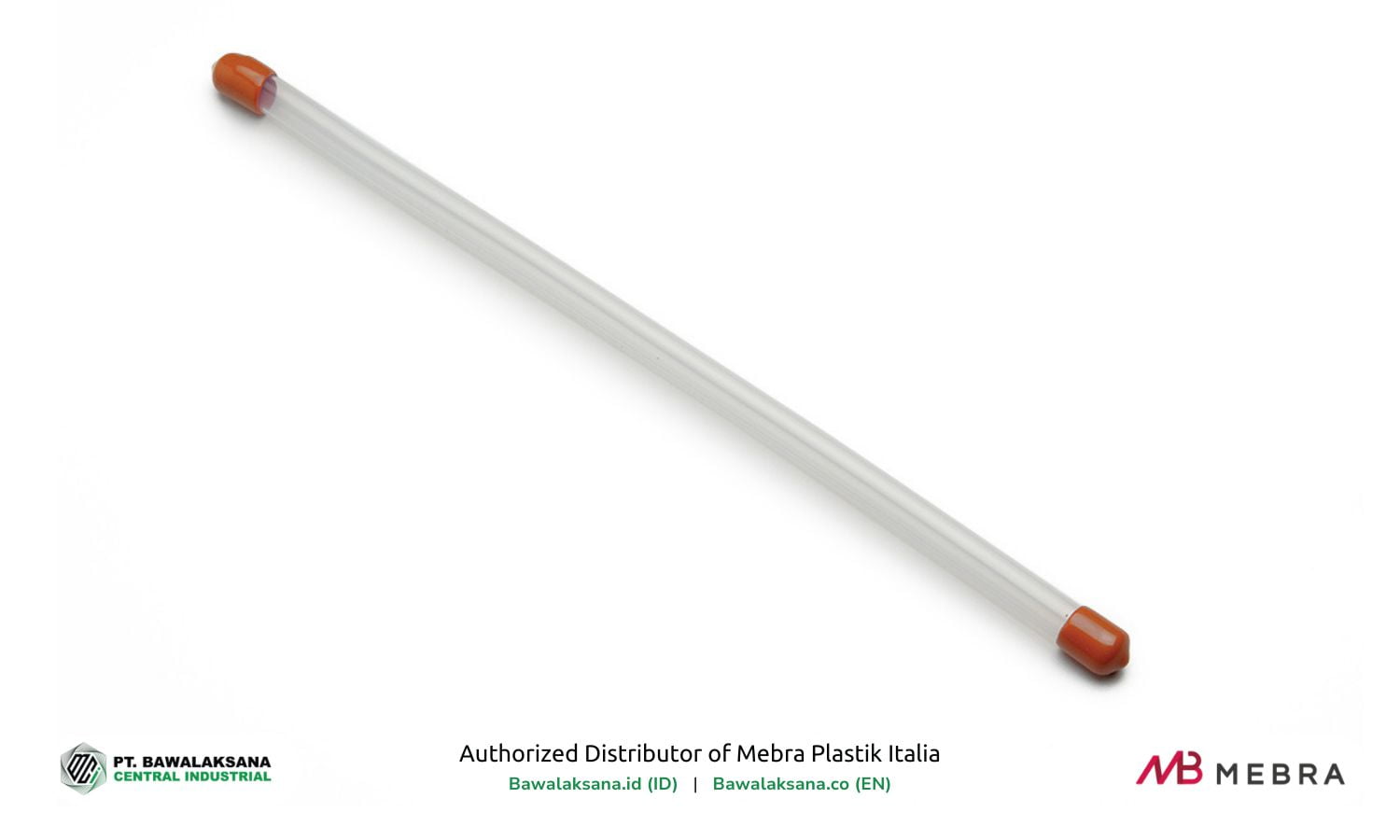
Pneumatic Hoses with Temperature Resistance Above 250°C
For applications requiring more excellent durability than PU and PE hoses can offer, the Flexible Perfluoroalkoxy (PFA) hose is an excellent alternative, providing superior performance in various conditions.
Here are the key specifications of PFA hoses:
- Minimum bending radius: 15 mm for a 4 mm diameter and 1 mm wall thickness
- Maximum inner diameter: 10 mm
- Maximum operating pressure: 30 BAR (435.1 Psi) at 23°C
- Operating temperature range: -60°C to 260°C
- Hydrolysis resistance
- Chemical resistance
- Low flammability
- UV resistance
- Approved for food contact applications
In summary, Flexible Perfluoroalkoxy (PFA) hoses offer all the benefits of both Polyurethane (PU) and Polyethylene (PE) hoses, with additional high-temperature and chemical resistance. However, PFA hoses do not have the same elasticity and flexibility as PU hoses.
If your industrial application demands chemical resistance and the ability to withstand temperatures up to 260°C, PFA hoses are highly recommended. However, PU or PE hoses are more than adequate for less demanding environments.
Do All Pneumatic Hoses Share the Same Characteristics?
It’s essential to understand that not all pneumatic hoses, whether PU or PE, have the same characteristics across every type.
For example, does every PU hose have fire resistance?
The answer is no.
Only the Monolayer Polyurethane Self-Extinguishing hose is fire-resistant. Other types do not possess inflammability (fire resistance) properties.
Why is that?
This is because R&D teams at manufacturing companies make specific design decisions based on the material selected for the hose. They carefully research material characteristics, industry demand, and product design before developing a pneumatic hose.
Therefore, selecting the correct type of pneumatic hose that aligns with your specific industrial application is critical.
By doing so, you can ensure that the hose selection is both efficient and effective.
As a result, your company can avoid unexpected downtime, which can significantly raise maintenance costs.
Choosing a hose with the appropriate durability ensures long-term performance and reliability.

Applications of PU and PE Hoses in Industry
After discussing the characteristics of PU and PE hoses, let’s explore their applications in various industries.
Polyurethane Hose Applications
- Drinkable Water: PU hoses are ideal for handling drinking water as they are tasteless, odorless, and free from harmful substances, ensuring the safe processing of beverages.
- Robotics: Thanks to their lightweight and flexible design, PU hoses are well-suited for almost all robotic systems.
- Machine Tools: These are widely used in vital machine components for cleaning and drying machinery, parts, and work areas.
- Powder Paints: PU hoses’ antistatic properties ensure the smooth flow of powder paints, preventing clogs and enabling continuous operation.
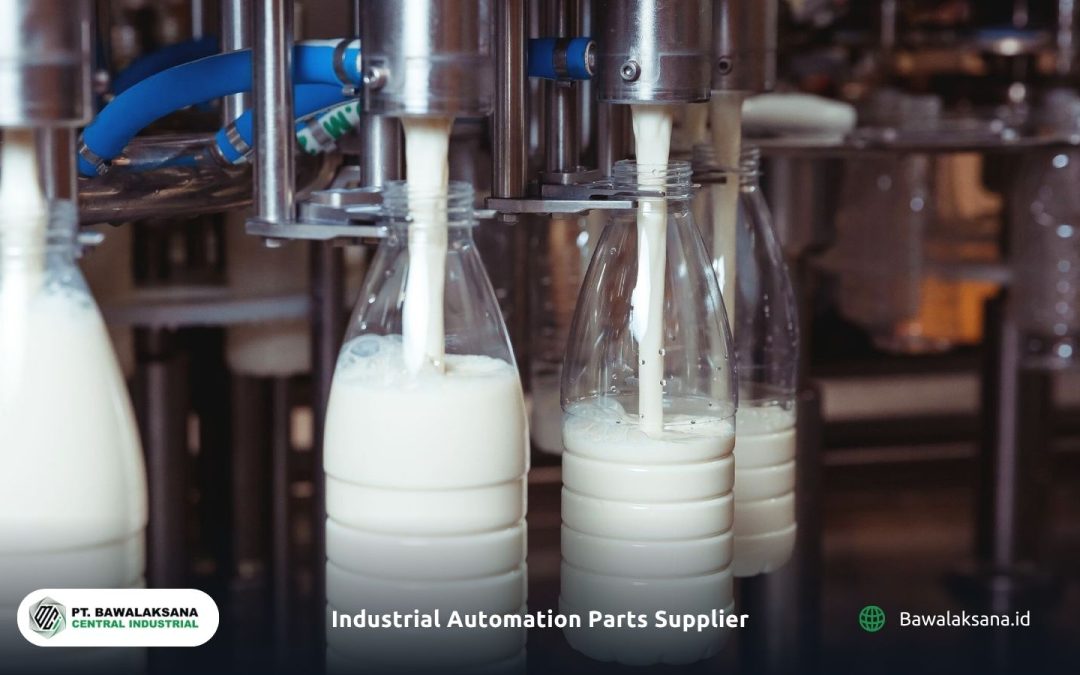
- Industrial Automation: PU hoses are utilized in various industrial automation systems, including fabrication equipment, packaging, and filling machines.
- Welding Machines: PU hoses are critical in delivering air to automatic systems (such as pneumatic spot welders) or are used with blowguns.
- Food Contact: These hoses are suitable for transporting dry or powdered food items, such as cereals, flour, and sugar. However, we recommend using PE hoses instead for the pharmaceutical industry, especially when dealing with chemicals and medications.
- Vacuum Applications: PU hoses commonly handle small components in industries like F&B or electronics.
- ATEX Environments: PU hoses’ anti-static properties make them ideal for applications involving sensitive electronic components and critical ATEX environments where static electricity can be hazardous.
Polyethylene Hose Applications
PE hoses generally have fewer applications compared to PU hoses, but they are still widely used in the following areas:
- Drinkable Water
- Industrial Automation
- Machine Tools
- Food Contact
- Vacuum Applications
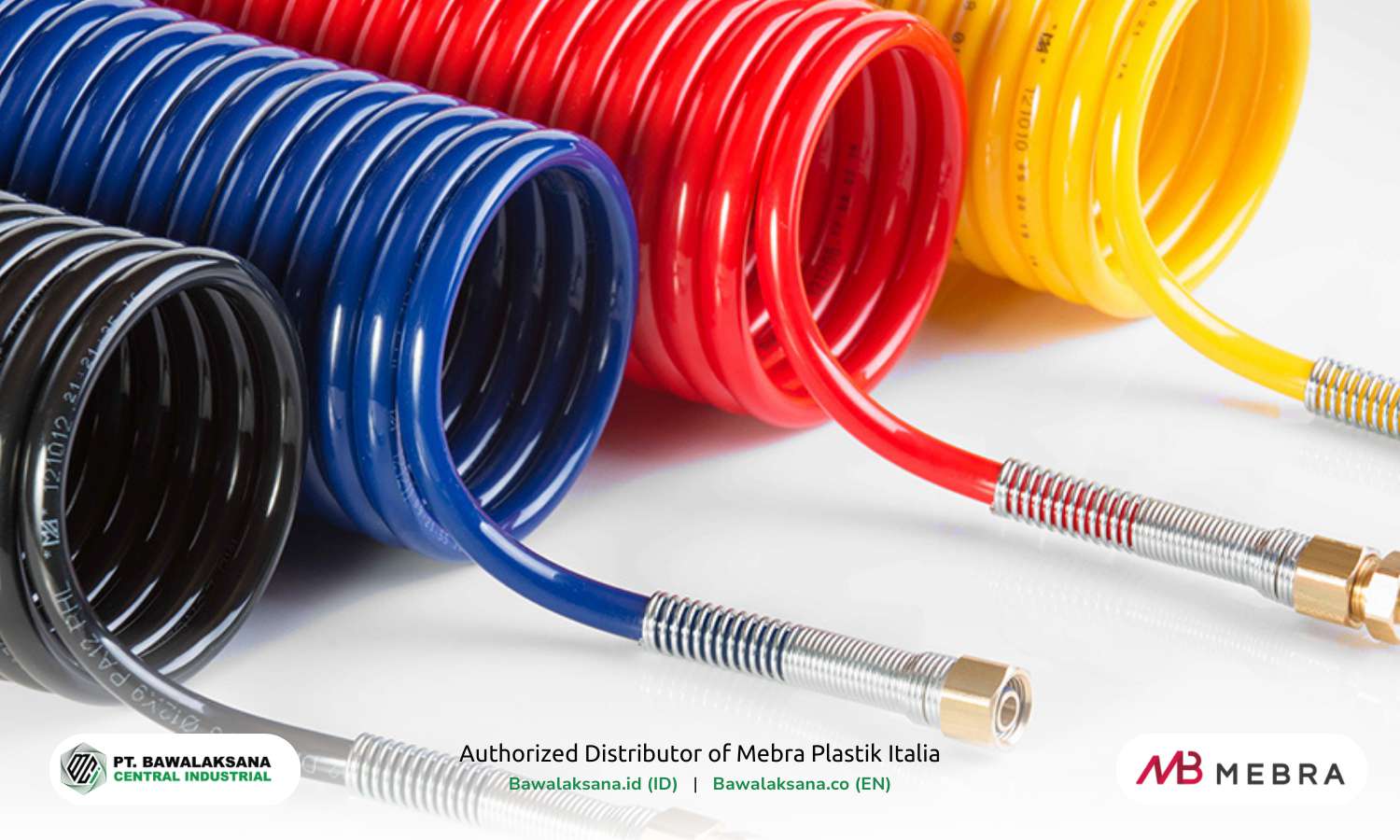
Conclusion and Recommendations
In conclusion, PU and PE hoses each have unique characteristics and advantages, making them suitable for specific roles in various industrial sectors. Both hoses enhance production processes, making them faster, safer, and more efficient.
To summarize the key differences between PU and PE hoses:
- Flexibility: PU hoses offer significantly higher flexibility than PE hoses.
- Food Safety: PU and PE hoses are FDA-approved for food contact applications.
- Application Range: PU hoses provide a more comprehensive range of applications.
- Resistance Features: PU hoses exhibit inflammability, UV, and electrical resistance.
- Chemical Resistance: PE hoses demonstrate superior chemical resistance.
- Pressure and Temperature Resistance: PE hoses have better durability under pressure and extreme temperatures.
With this understanding, you can confidently select the best hose for your industrial applications.
Choosing the proper pneumatic hose is crucial for operational success. Therefore, we highly recommend consulting a professional sales engineer when purchasing pneumatic hoses for your business.
We are pleased to announce that PT. Bawalaksana Central Industrial is now an authorized distributor for Mebra Plastik Italia, a reputable manufacturer of pneumatic hoses.
We provide top-quality PU and PE hoses known for their durability at competitive prices.
Given the stringent standards and regulations governing pneumatic hose applications in the industry, Mebra Plastik’s products are an excellent solution.
Our pneumatic hoses come with several important certifications, including:
- UL94 V2
- ISO 7628 Ed. 2010
- FDA Title 21
- DIN 73378
- DIN 74324
- ISO 7628:2010
- REACH
- RoHS
- And more
We invite you to consult us to find the perfect pneumatic hose tailored to your industrial or manufacturing needs.
Click the consultation button below to access high-quality, durable, industrial-grade pneumatic hoses!

Romanta Pinrih Linuwih
Pneumatic Automation Systems Expert
This article was written in collaboration with Romanta Pinrih Linuwih, an expert in Pneumatic Automation Systems, to ensure accuracy and high quality insights.

![10+ Examples of Pneumatic Tools in Daily Life and Industry [2025]](https://bawalaksana.co/wp-content/uploads/2025/05/Sandblasting-large-diameter-pipes-to-remove-surface-contaminants-1080x675.jpg)